Research Preview
Lumen Spatial
Measure light. Map it in space.
Camera-derived relative light estimates, guided mapping, and local records for iPhone.
Light has a location
Every reading
has a place.
A single reading describes one point. A map shows how light varies across a surface or through a volume.
An interactive spatial study
Through a volume.
Keep multiple layers in view. Move the slice to inspect readings at a different depth.
A surface or a volume.
Plane maps describe a working surface. Volume maps retain the spatial relationships between points at different depths.
The app keeps the capture method and mapping context with the recorded points.
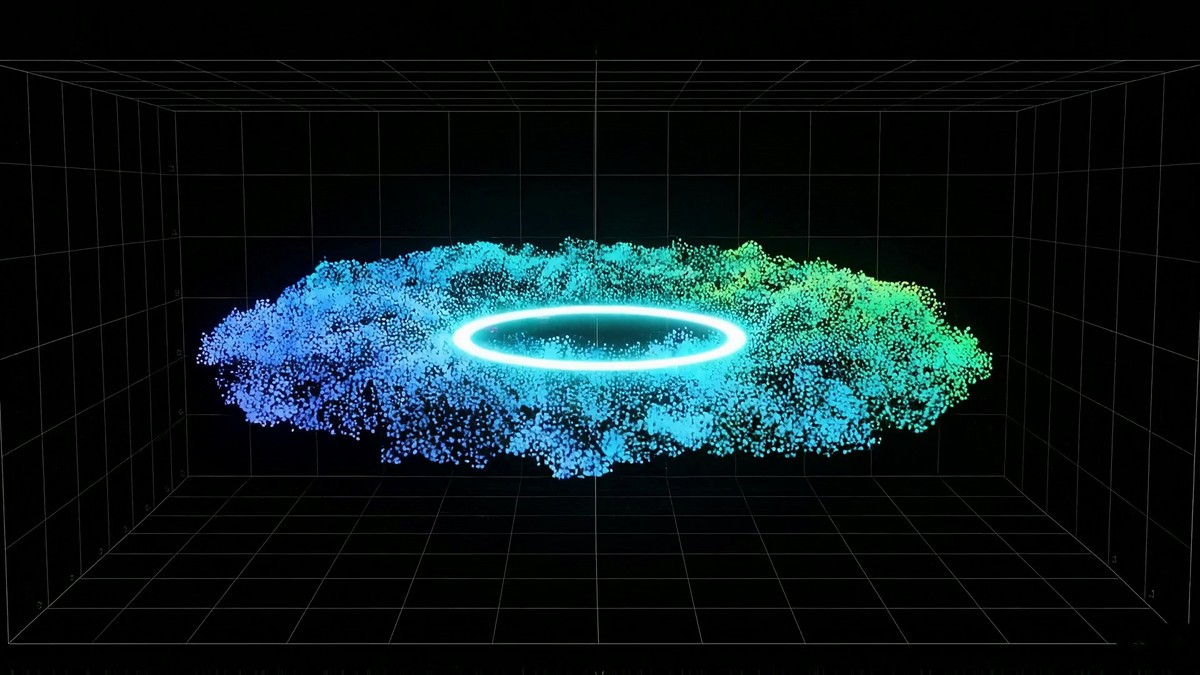
Concept artwork from the original film.
Selected example point
— / 100
Row 09 · Column 09 · Slice 05
Generated example. Values use a normalized 0–100 scale and are not measurements.
Measure.
Use the front camera for live relative readings, with centering and motion guidance.
Map.
Choose plane or volume geometry, then deliberately record points across your study.
Inspect.
Review the distribution, uniformity, and support behind the displayed map.
Two ways to map
Choose the shape
of your study.
A working plane and a spatial volume call for different capture geometry. LumenSpatial keeps that choice explicit.
Plane
Across a surface.
Record projected cells on a working plane to inspect how relative light varies across it.
Volume
Through a space.
Retain three-dimensional points in the active capture frame, then orbit and inspect the distribution.
Capture context
Know how it was mapped.
Capable devices use rear scene tracking. Other devices use a front-camera relative mapping workflow.
After capture
Keep the map.
Keep its context.
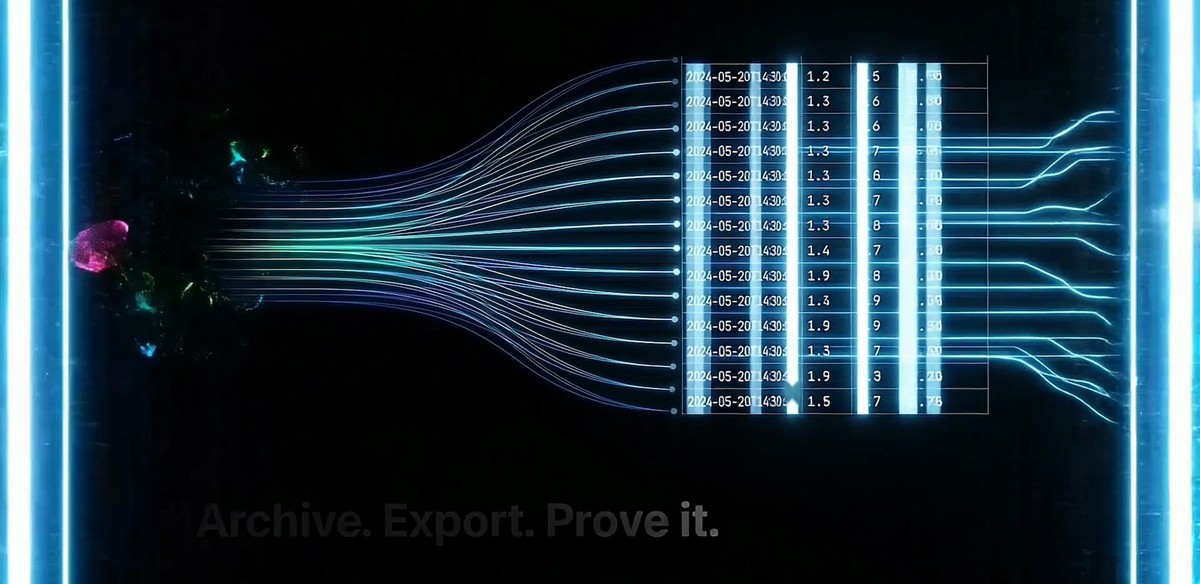
Save a map locally, return to it later, or export its points as CSV. Geometry, capture method, and unit information remain part of the record.
- Local archivesRestore across launches
- Point inspectionRead the selected dataset
- CSV exportContinue your analysis
About the readings
Relative light,
carefully described.
LumenSpatial estimates relative light from camera response. Lux and foot-candle share that estimate; PPFD uses a configurable conversion factor rather than a measured spectrum.
It is built for comparative studies and research workflows. Absolute photometric accuracy requires an external reference and validation.
Research Preview · iPhone